

Gluten-free baking recipes begin in the quiet of a slow morning.
Morning light spills across your counter like warm silk.
The air is quiet, waiting.
Somewhere between the first scoop of almond flour and the soft breath of cinnamon, something inside you settles.
This is the kind of baking that doesn’t rush.
It doesn’t demand perfection.
It simply invites you in — to stir, to breathe, to taste a little softness in a world that moves too fast.
And when it’s gluten-free, the kitchen becomes something even gentler.
A place where oats whisper sweetness, almond flour remembers the wind, and every crumb carries a touch of Mediterranean calm.
Here, I’ve gathered my favorite gluten-free recipes — cookies that melt, cakes that rise like morning sun, crumbles that fall apart in all the right places, and warm drinks for the in-between hours.
Each recipe holds a story, a rhythm, a small piece of gratitude.
It’s not just a collection.
It’s a quiet journey — a way back to yourself, one golden crumb at a time.
These gluten-free baking recipes are meant to bring softness back into your kitchen – one calm moment at a time.
The Story Behind the Best Gluten-Free Baking Recipes
A Return to Simplicity
This pillar gathers some of the best gluten-free baking recipes, bringing together comfort, Mediterranean warmth, and American kitchen simplicity.
In Sardinia, where my roots were shaped by stone and sea, we never called anything “gluten-free.”
We baked with what the land offered: almond meal, chestnut flour, olive oil, honey warmed by the sun.
These weren’t substitutions — they were traditions.
They carried the memory of our fields and forests.
Gluten-free baking isn’t about restriction.
It’s about rediscovery: softness, lightness, nourishment.
The Emotion of Cooking Without Hurry
There is a moment — quiet and unassuming — when a bowl of batter becomes more than ingredients.
When the whisk slows, the aroma rises, and something in you loosens.
I bake not to perfect, but to soften the world.
Gluten-free baking teaches patience better than anything else in the kitchen.
It needs a pause.
A breath.
A rest.
What Makes These Gluten-Free Baking Recipes Unique
Every recipe in this guide is built around three quiet promises — the qualities that make these gluten-free baking recipes so deeply comforting and reliable:
Soft centers & golden edges
The tenderness that gluten-free flours offer naturally, like a crumb that exhales as it cools.
Clean, comforting flavors
Warm spices, sunlit citrus, and gentle sweetness that feels soothing rather than overwhelming.
Dairy-free options in every category
Because calm, inclusive baking should feel effortless for every kitchen.
You’ll taste simplicity, stillness, and a touch of Mediterranean soul — a slow-food warmth woven through every crumb.
The Ingredients That Shape the Best Gluten-Free Baking Recipes
In gluten-free baking, ingredients behave differently — softer, more open, more alive.
These are the ingredients that give gluten-free baking recipes their tender crumb, warm aroma, and quiet Mediterranean soul.
Almond Flour
Earthy, tender, naturally sweet — it creates a crumb that feels like velvet.
This flour is the heartbeat of baking without gluten.
Gluten-Free Oats
Subtle sweetness, soft texture, a feeling of comfort.
They bring stability and warmth to many gluten-free batters.
Rice Flour
Lightness and balance — the quiet backbone for airy cakes.
It gives structure without weight, especially when paired with starches.
Olive Oil
Mediterranean gold.
It keeps loaves moist, enriches cookies, and adds depth without heaviness.
Coconut Sugar
Warm caramel notes, gentle sweetness.
It makes gluten-free baking feel grounding, almost autumnal.
Together, these gluten-free ingredients create a kitchen that breathes — a place where simplicity becomes softness, and softness becomes flavor.
The Quiet Science Behind Gluten-Free Baking
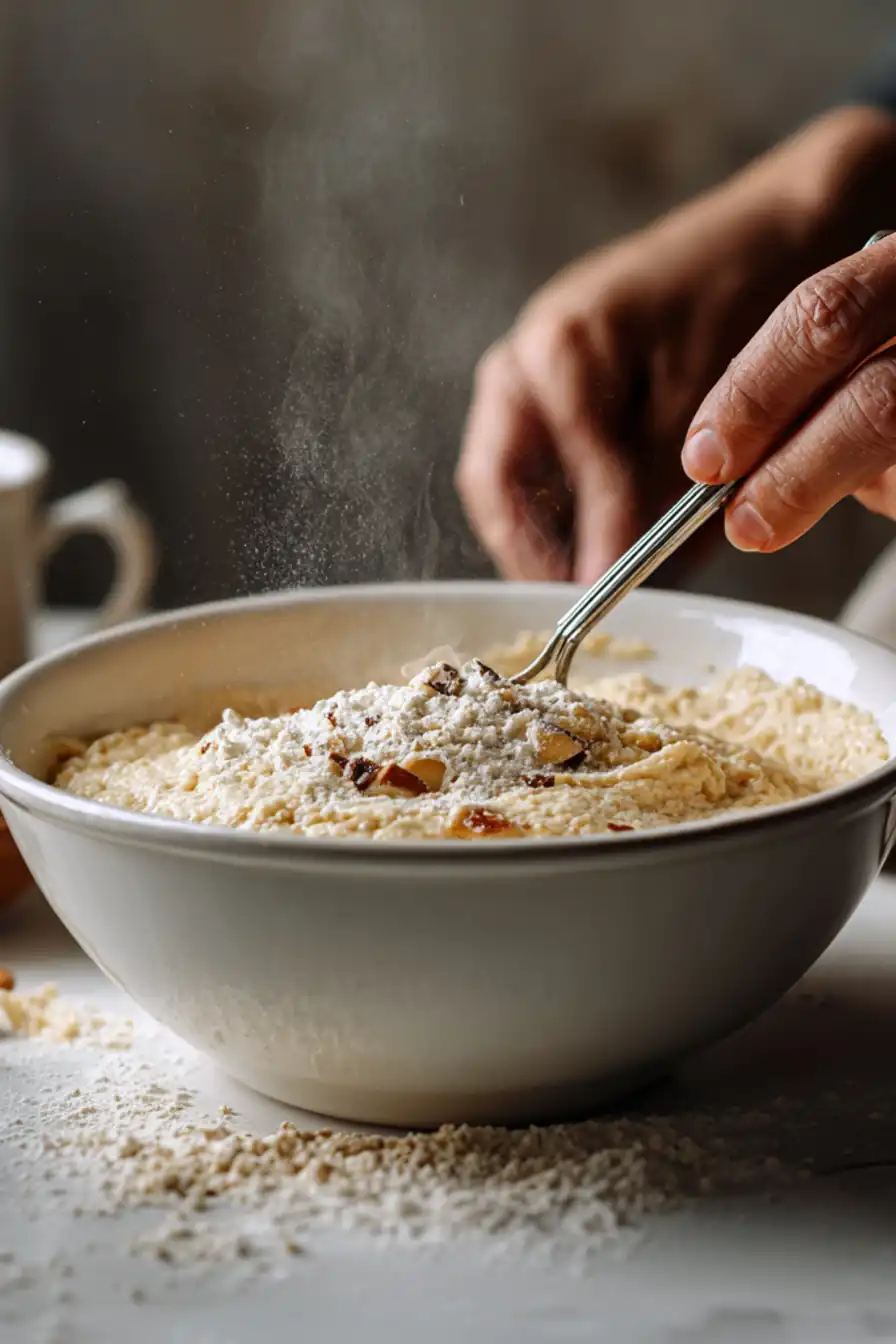
Understanding how these gluten-free baking recipes behave begins with knowing how dough rises, opens, and breathes without gluten.
When you remove gluten, you remove the frame.
And the dough must find a different way to rise, open, and breathe.
That doesn’t make gluten-free baking weaker.
It just makes it different — more delicate, more mindful, more alive.
Here are the key truths that shape every gluten-free recipe:
For a deeper look at how gluten behaves in dough and why structure changes in gluten-free baking, the Celiac Disease Foundation offers a beautifully clear explanation grounded in science and real-world guidance.
Gluten-Free Flours Absorb More Liquid
Almond, oat, and rice flours drink moisture like thirsty earth.
Your batter may look looser at first, then thicken as it rests — this is normal, even beautiful.
Your Bakes Brown Faster
Without gluten, heat moves differently through the batter.
Edges turn golden sooner; interiors take a little longer to set.
Lower temperatures help everything bake evenly.
Texture Depends on Balance, Not a Single Flour
One flour alone cannot replace gluten’s structure.
But a trio can:
- a grain flour for body
- a starch for softness
- a nut flour for tenderness
Think of them as stones, sand, and water shaping a coastline together.
Resting the Batter Becomes Essential
Give your batter 10 minutes to breathe.
Oats soften.
Starches relax.
Moisture settles.
The result: a crumb that feels naturally whole.
The Outcome Is Its Own Beauty
Gluten-free bakes do not imitate wheat.
They express themselves:
- softer
- gently crumbly
- tender in the center
- golden at the edges
When you understand this quiet science, the kitchen stops feeling like guesswork and becomes a place of trust — between you and the dough.
The Essential Flours Used in the Best Gluten-Free Baking Recipes
The Gluten-Free Flours That Shape Your Bakes
Every gluten-free flour brings its own personality — a different way of absorbing moisture, building structure, and creating tenderness.
Here is a clear, complete guide designed for everyday American bakers, with a calm Sardinian soul woven gently inside.
Understanding how these ingredients work is the foundation of the best gluten-free baking recipes, the ones that deliver reliable texture and gentle sweetness every time.
Almond Flour – Tender, Moist, Naturally Sweet
Best for: cookies, blondies, muffins, loaf cakes
Texture: soft crumb, rich mouthfeel, delicate edges
Why Americans love it: protein-rich, consistent, forgiving
Almond flour is the heartbeat of gluten-free baking.
It creates a velvety texture and holds moisture like warm sand after rain.
Use it when you want:
– softness
– moist crumb
– a gentle, nutty sweetness
It’s one of the most essential flours in my gluten-free baking recipes.
Oat Flour – Comforting, Soft, Beautifully Balanced
Best for: pancakes, muffins, bars, breakfast bakes
Texture: tender, slightly chewy, cozy
Note: always choose certified gluten-free oats
Oat flour feels like a morning hug — naturally sweet and beautifully absorbent.
Use it when you want:
– fluffy texture
– wholesome flavor
– stable moisture
This flour adds stability and softness to many of my gluten-free baking recipes.
Rice Flour (White or Brown) – The Essential Foundation
Best for: cakes, muffins, blends
Texture: neutral, light, structured
Important: too much rice flour makes bakes crumbly — it MUST be blended
Rice flour gives gluten-free baking its body.
But alone, it’s too dry.
Paired with starches and almond flour? Magic.
Use it when you want:
– lift
– neutral flavor
– structure without heaviness
If you want to explore how different gluten-free flours absorb moisture and create texture, King Arthur Baking shares trusted professional resources that many American bakers rely on.
Sorghum Flour – Mild, Wheat-Like, Comforting
Best for: muffins, pancakes, rustic cakes
Texture: soft, whole-grain, slightly bouncy
Sorghum flour is beloved in American gluten-free baking because it behaves almost like wheat.
Use it when you want:
– gentle whole-grain warmth
– more elasticity
– a familiar flavor profile
Millet Flour – Golden, Light, Subtly Sweet
Best for: cakes, muffins, cookies
Texture: tender and airy
Millet adds sunshine to gluten-free blends — light, bright, softly sweet.
Use it when you want:
– lightness
– softness
– color
Tapioca Starch – Stretch, Chew, Golden Edges
Best for: binding, crispness, soft chew
Texture: glossy, stretchy, slightly chewy
Tapioca starch brings the tenderness and elasticity gluten-free batters need.
Use sparingly for:
– crisp edges
– soft centers
– delicate stretch
Potato Starch – Tenderness & Lift
Best for: cakes, muffins, cookies
Texture: ultra-light crumb, moisture retention
Potato starch helps your bakes stay soft for days.
It creates airiness where rice flour alone would be dense.
Use it when you want:
– fluffiness
– light interiors
– stability
Cornstarch – Crispness & Lightness
Best for: cookies, shortbread, waffles
Texture: crisp outside, soft inside
Cornstarch gives gluten-free cookies that irresistible bakery-style crunch.
Use it when you want:
– clean edges
– uniform crispness
– smooth crumb
Binders: The Secret to Structure
Xanthan Gum – The Classic Gluten Replacement
Americans rely on it because it’s predictable, consistent, and shelf-stable.
Use when you need:
– shape
– chew
– elasticity
A tiny pinch goes far.
Psyllium Husk – For Bread-Like Elasticity
Best for: gluten-free bread, rolls, dough-based recipes
Psyllium creates flexibility and strength — almost like gluten’s gentle ghost.
Flax & Chia “Eggs” – For Vegan Binding
Best for: cookies, muffins, pancakes
Nutty, nourishing, and perfect for plant-based baking.
The 3 Gluten-Free Flour Blends Americans Trust Most
(Questa lista è fondamentale: Google ama quando un pillar cita prodotti noti che gli utenti già cercano.)
1. King Arthur Measure for Measure
Reliable, neutral flavor, excellent for cakes & cookies.
2. Bob’s Red Mill 1-to-1 Baking Flour
Americans love it because it’s accessible and consistent.
3. Cup4Cup Gluten-Free Flour
Ultra smooth, pastry-friendly, but contains dairy.
Your Calm Pantry for the Best Gluten-Free Baking Recipes Pantry
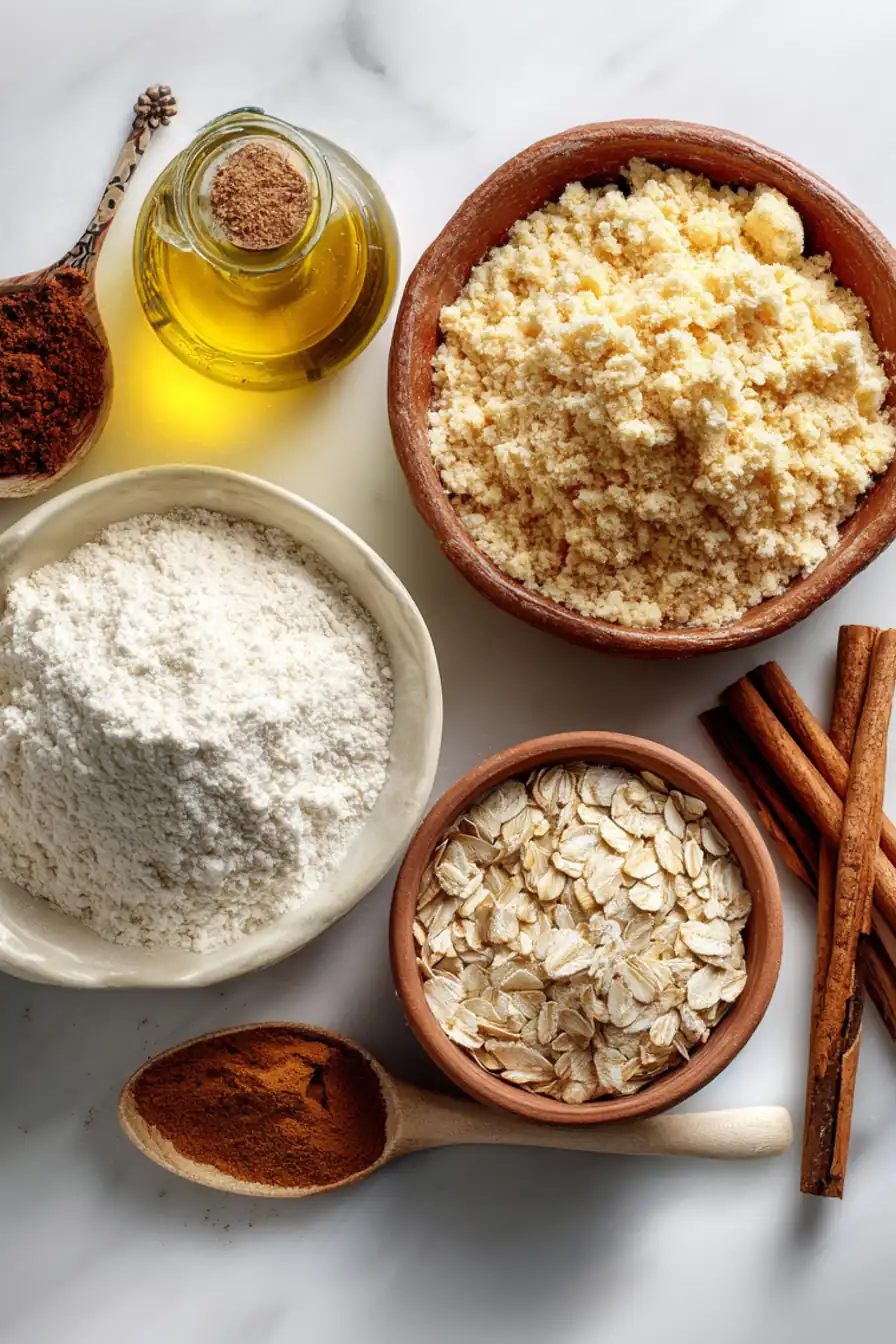
A well-balanced pantry is the quiet foundation of all gluten-free baking recipes.
A good gluten-free pantry doesn’t have to be huge.
It just needs a few thoughtful ingredients that play well together.
Base flours
- Brown rice flour – light, toasty, the backbone of many blends
- Oat flour (certified GF) – sweet, soft, comforting
- Almond flour – rich, tender, grounding
- Sorghum or millet flour – gentle, whole-grain warmth
Starches
- Tapioca starch – chew, stretch, and shine
- Potato starch – softness and delicate crumb
- Cornstarch – lightness, crisp edges
Binders
- Xanthan gum – mimics some of gluten’s structure, just a tiny pinch
- Psyllium husk – incredible for breads, adds elasticity
- Ground flax or chia – “chia egg” or “flax egg” for plant-based binding
Sweeteners & fats
- Coconut sugar, maple syrup, brown sugar
- Olive oil, avocado oil, coconut oil, vegan butter
You don’t need everything at once.
Start with one good all-purpose gluten-free blend you trust, plus almond flour and oats.
Then slowly invite other flours in, the way you’d welcome friends around a long table.
Tools & Techniques Behind the Best Gluten-Free Baking Recipes
To bake gluten-free with confidence, you don’t need a professional kitchen — only a few thoughtful tools and gentle rhythms that make every recipe calmer and more predictable. These techniques are exactly what elevate the best gluten-free baking recipes, helping them rise beautifully and stay tender long after cooling.
Kitchen Scale
Your quiet ally.
Gluten-free flours vary wildly in density, so grams — not guesses — create reliable results.
Whisk & Flexible Spatula
For folding in air without overmixing.
Gluten-free batters prefer tenderness, not force.
Parchment Paper & Quality Loaf Pans
They prevent sticking and help fragile gluten-free crumbs release cleanly.
Oven Thermometer
Most ovens run hotter or cooler than expected.
Gluten-free cakes set slowly and need consistent, gentle heat.
Cooling Rack
Essential for letting steam escape so the crumb can settle softly and evenly.
Think of these gluten-free baking tools as instruments in a small orchestra.
They don’t make you less intuitive — they free you to follow your senses, knowing the foundation is steady.
These tools make gluten-free baking recipes more predictable, tender, and enjoyable.
Common Gluten-Free Mistakes & Gentle Fixes
If something feels off, it doesn’t mean you failed.
It just means the batter is trying to tell you what it needs. Most issues in gluten-free baking recipes come from rushing the batter or skipping the rest.
Crumbling or dry?
Your bake likely needed more moisture or fat.
- Next time, add 1–2 tablespoons of oat milk or oil to the batter.
- Wrap cooled loaves in linen or a clean kitchen towel to help them stay tender.
Gummy or dense in the center?
- Lower the oven temperature slightly and bake a bit longer.
- Make sure you’re not using too much xanthan gum or starch.
- Let the cake cool fully before slicing so the crumb can set.
Gritty texture?
- Try a finer-milled flour blend or add a little starch to balance heavier flours.
- Rest the batter longer so the flours have time to hydrate.
Sunk in the middle?
- Your oven might be too cool, or there may have been too much leavening.
- Bake on the middle rack and avoid opening the oven door in the first 15 minutes.
If it thickens too soon, breathe.
Add a splash of oat milk, stir slowly, and let the batter rest.
No hurry — just harmony.
10 Gentle Rules Behind the Best Gluten-Free Baking Recipes
- Start small.
Begin with cookies, muffins, and loaf cakes — they’re more forgiving than towering layer cakes. These are the best recipes for learning how gluten-free baking recipes behave. - Weigh your ingredients.
A few extra tablespoons of rice flour can dry out a batter completely. The scale is your quiet ally. - Use blends, not single flours.
Rice + starch + a little whole grain flour often beat any one flour on its own. - Add enough moisture.
Gluten-free flours drink more liquid. If the batter seems thicker than cake batter you’re used to, a splash of milk can change everything. - Let the batter rest.
Even 5–10 minutes allows the flours to hydrate, leading to a softer, more even crumb. - Bake low and slow.
Try lowering the oven temperature by about 25°F (10–15°C) and extending the bake time slightly. This prevents a dark crust with a raw center. - Don’t overmix.
Once the flour is in, mix just until combined. Too much stirring can make things gummy. - Cool almost completely before slicing.
Gluten-free bakes are fragile when hot; they firm up as they cool. - Avoid random swaps at the beginning.
Follow well-tested recipes closely. Once you feel the textures in your hands, then you can play. - Take notes.
Write down what you changed, how long you baked, how it felt. Your kitchen becomes your own gluten-free cookbook.
Cookies & Small Bites: The Best Gluten-Free Baking Recipes
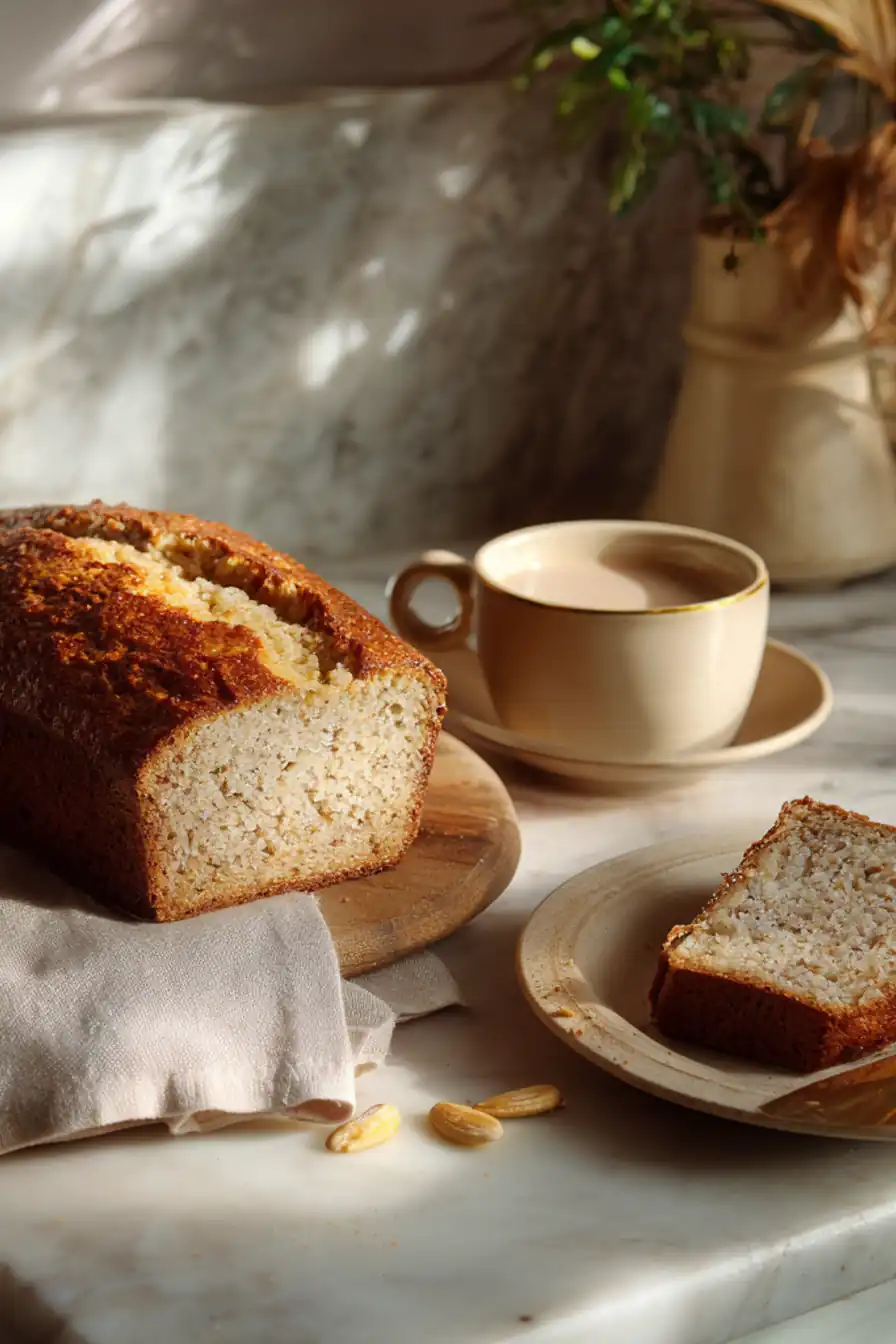
Below, you’ll find all the gluten-free baking recipes that bring warmth, texture, and quiet joy to everyday moments.
Gluten-Free Oatmeal Cookies – The scent of oats and brown sugar rises as these golden cookies bake. Soft in the center, lightly crisp at the edge — slow Sunday mornings in one warm bite.
Gluten-Free Almond Flour Oatmeal Chocolate Chip Cookies – Toasted almond flour, dark chocolate, and a whisper of sea salt. A modern gluten-free twist on a childhood classic — crisp, rich, and deeply satisfying.
Best Ever Gluten-Free Blondies – Golden edges, soft and buttery centers. A taste of childhood warmth, reborn in gluten-free calm.
Fudgy Gluten-Free Brownies – Deep cocoa, tender crumb, a gooey center that holds just long enough before giving in. Midnight comfort in dessert form.
Gluten-Free Chocolate Crinkle Cookies – Crackled like winter frost, soft like hot cocoa by the fire. A cookie that turns any day into a holiday.
Gluten-Free Thumbprint Cookies – Buttery, delicate, crowned with jam. Each one a tiny celebration — sweet, simple, timeless.
Cakes, Loaves & Muffins: The Best Gluten-Free Baking Recipes
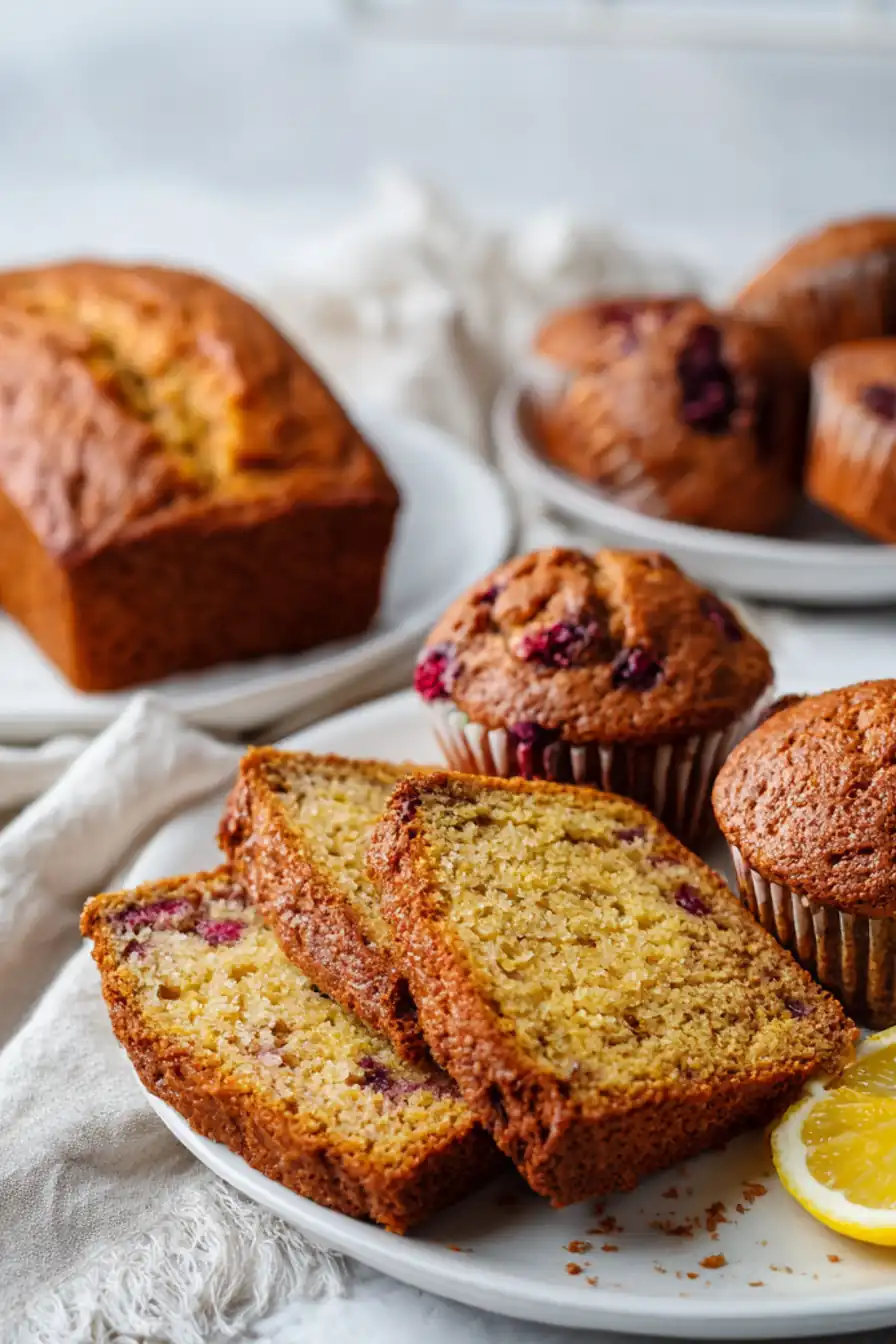
Gluten-Free Raspberry Lemon Loaf – Bright raspberries and sunlit lemon zest in a moist, airy loaf. Each slice tastes like summer light streaming through an open window.
Gluten-Free Banana Bread – The aroma alone feels like a hug. Soft, nostalgic, impossibly tender — kindness in loaf form.
Gluten-Free Pumpkin Muffins – Cinnamon, nutmeg, warm pumpkin. A soft autumn embrace baked into a tender crumb.
Apple Sharlotka Cake – A delicate Eastern European cake reborn with Mediterranean lightness. Apples, air, and nostalgia layered into softness.
Gluten-Free Chocolate Buttermilk Cake – Deep cocoa comfort, velvety and warm. A cake that melts like dark silk on your tongue.
Bakery-Style Gluten-Free Chocolate Cake – Tall, rich, dramatic. A cake that turns any moment into a celebration.
Gluten-Free Pumpkin Bread – Soft spice, tender crumb, warm pumpkin calm. A golden autumn afternoon in loaf form.
Bars & Crumbles in the Best Gluten-Free Baking Recipes Collection
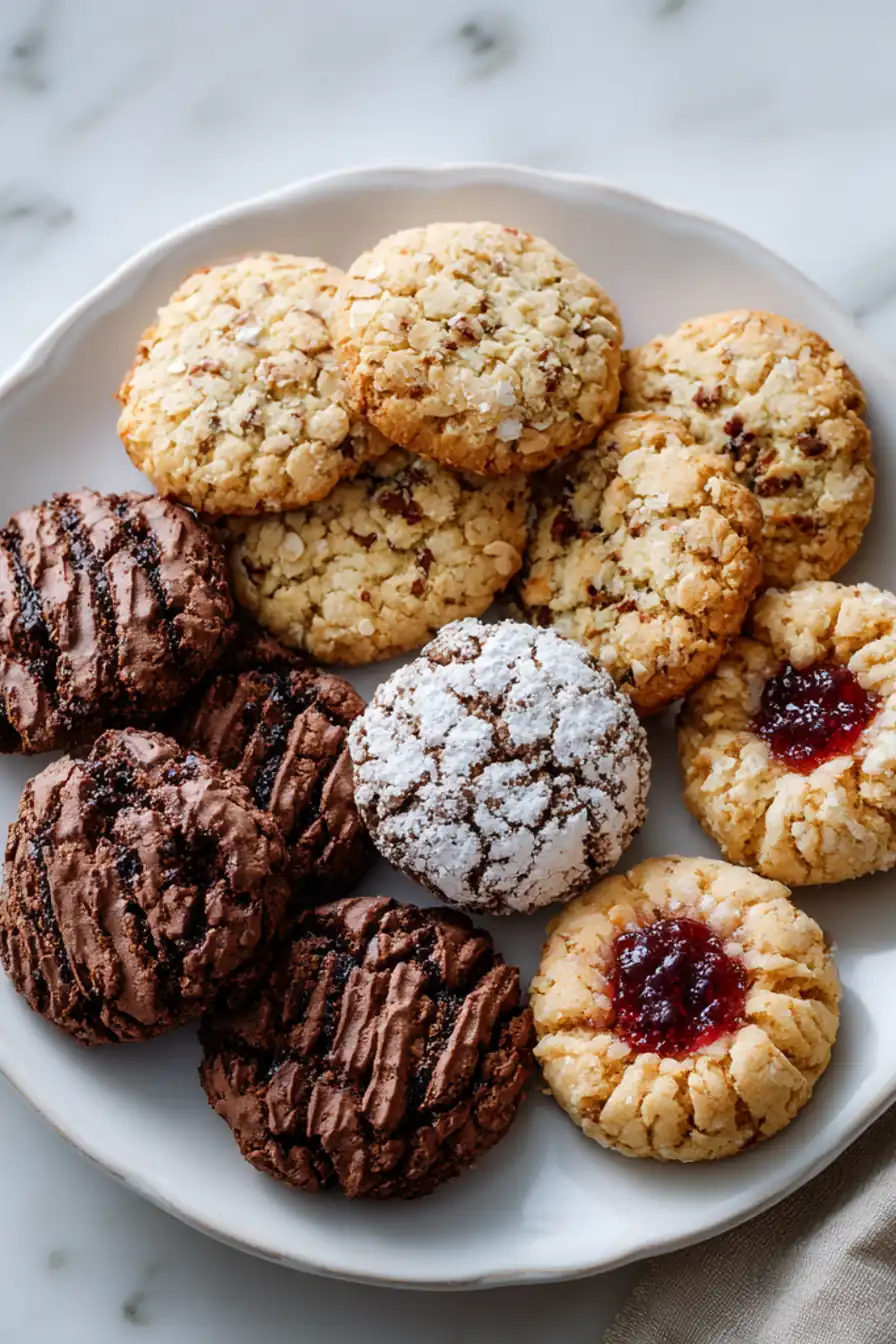
Gluten-Free Apple Crumble – Warm oats, tender apples, cinnamon rising like a whisper. The comfort of the first cool day of fall.
Single-Serve Comforts from the Best Gluten-Free Baking Recipes
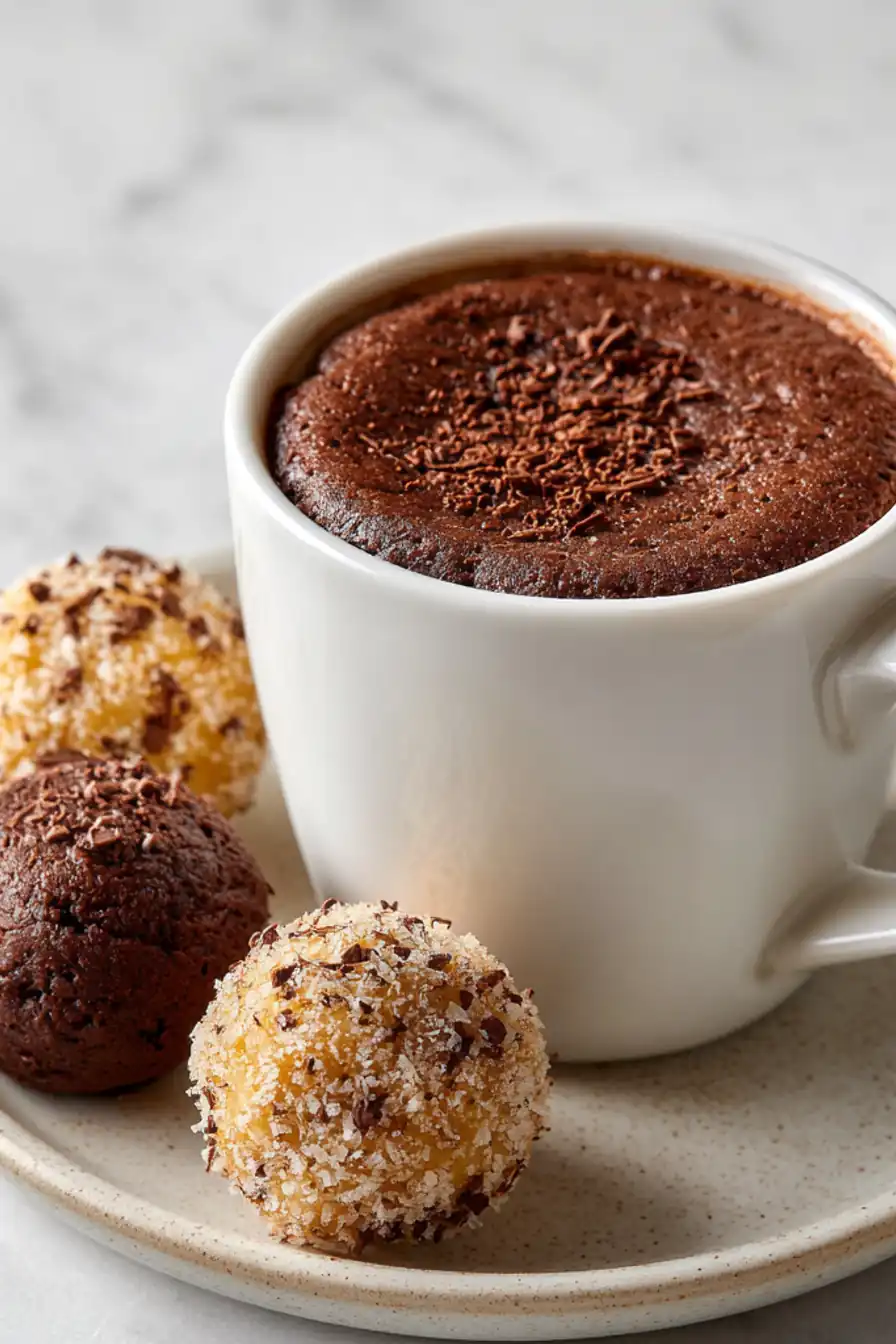
Gluten-Free Mug Cake – A warm, fluffy escape in 90 seconds. Soft chocolate, quiet sweetness — instant calm.
Pumpkin Cheesecake Truffles – Creamy, spiced, impossibly smooth. October sunshine in one perfect bite.
Breakfast & Brunch Rituals in the Best Gluten-Free Baking Recipes
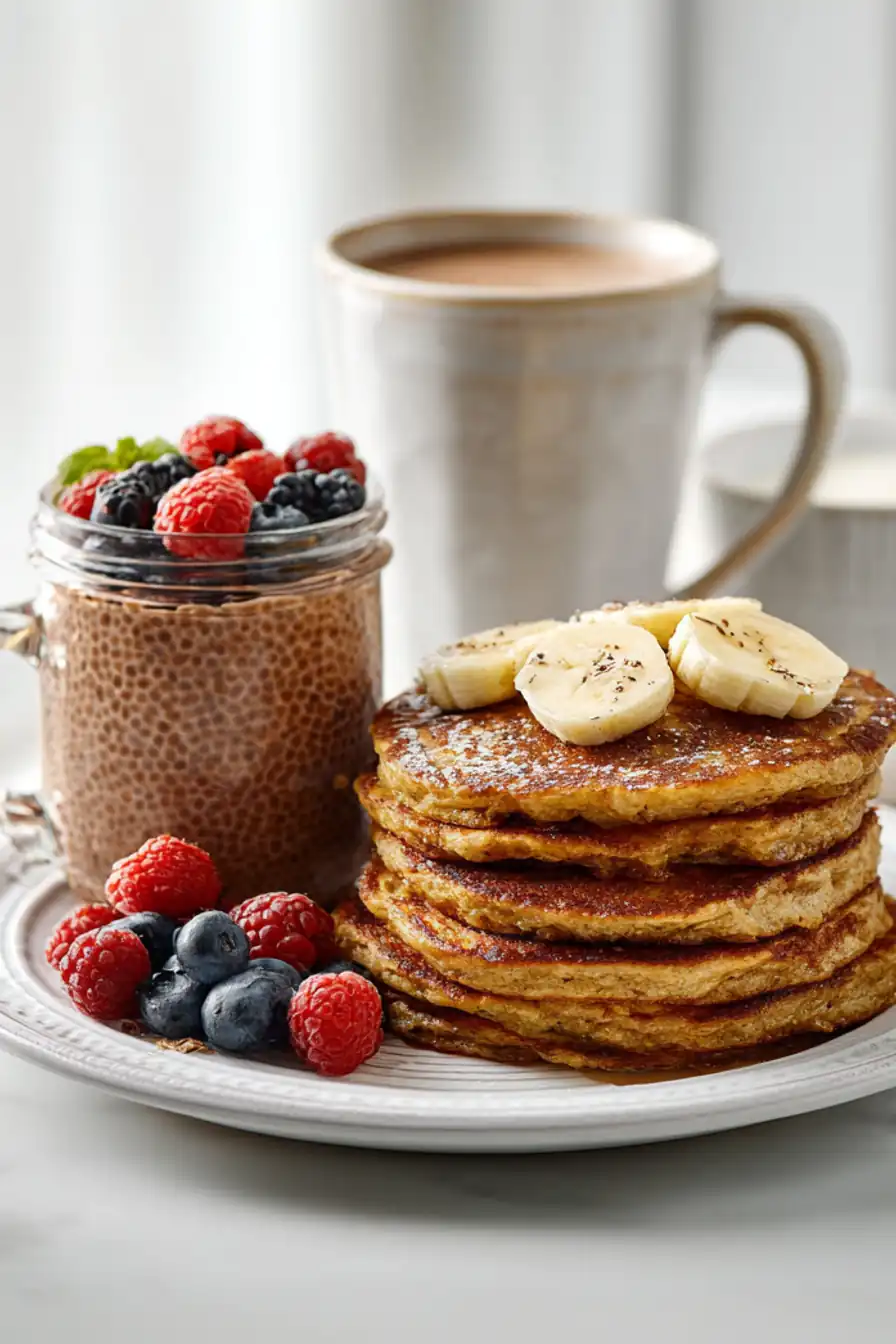
3 Ingredient Banana Oat Pancakes – Just oats, bananas, and patience. Golden and wholesome — made for quiet mornings.
Oatmeal Blender Pancakes – Fluffy, simple, naturally sweet. A nourishing stack for slow or busy days.
Gluten-Free Waffles – Crisp edges, cloud-soft center. Weekend magic.
High Protein Chocolate Chia Pudding – Thick, creamy, chocolate-rich. Breakfast that feels like dessert but nourishes like sunrise.
Vegan Chai Latte Chia Pudding – Cinnamon, cardamom, warm spice. A bowl that tastes like morning calm.
Korean Fresh Mango Milk Drink – Sweet mango folded into silky milk. Tropical calm in a glass.
Seasonal & Mediterranean Inspirations in the Best Gluten-Free Baking Recipes
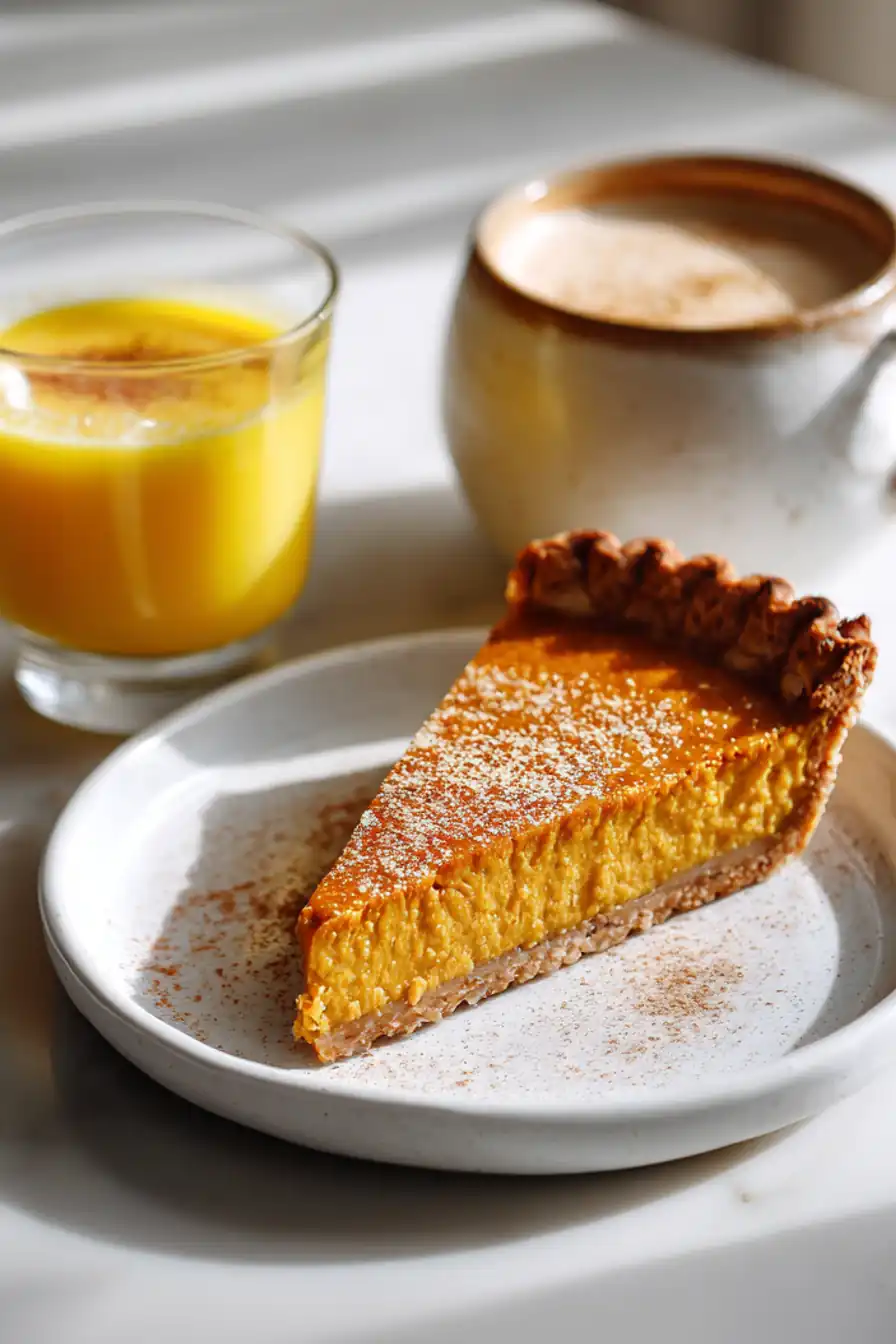
Lemon Ginger Turmeric Shot – Golden, bright, awakening. A small sip with big energy.
Calm Night Cinnamon Almond Milk – Warm, soothing, softly spiced. A bedtime lullaby in a mug.
Gluten-Free Pumpkin Pie – Silky, classic, perfectly spiced. The comfort of every holiday you loved.
Pairing Ideas for the Best Gluten-Free Baking Recipes
Pomegranate Mocktails – Ruby, sparkling, refreshing. A drink that makes every bake shine brighter.
Cranberry Brie Bites – Sweet cranberries + warm creamy brie. A festive bite that pairs with any dessert.
These pairings elevate gluten-free baking recipes into full, memorable moments.
A Safe Kitchen for Celiac & Gluten-Sensitive Guests
If you’re baking for someone with celiac disease or a strong gluten sensitivity, a calm kitchen also means a careful kitchen.
A few simple shifts make a big difference:
- Use separate wooden spoons, cutting boards, and colanders if they’ve ever touched gluten pasta or bread.
- Wipe counters well and dust pans with gluten-free flour, not wheat.
- Check labels on baking powder, oats, chocolate chips, and flavorings — hidden gluten can appear where you don’t expect it.
- Store gluten-free flours and ingredients on a separate shelf or in clearly labeled containers.
These little acts of attention tell your guests, “You are safe here. You are welcome here.”
And that, more than anything, is what gluten-free baking is about.
diterranean soul in every crumb.
Nutritional Balance in the Best Gluten-Free Baking Recipes & Wholesome Balance
Typical serving:
- 180–320 calories
- 3–7g protein
- 20–38g carbs
- 8–18g fat
- 2–5g fiber
Nourishment for body and spirit.
FAQ About the Best Gluten-Free Baking Recipes
Are all these recipes gluten-free?
Yes — oats are certified gluten-free where used.
Are they dairy-free?
Most offer plant-based alternatives.
Can I freeze gluten-free bakes?
Absolutely. Many freeze beautifully due to nut flour structure.
Why do gluten-free bakes crumble?
They need hydration + rest.
A Closing Reflection on the Best Gluten-Free Baking Recipes
There is something sacred in baking without hurry.
A rhythm of bowls and breath.
A way of remembering that nourishment begins long before the first bite.
Gluten-free baking doesn’t ask for perfection — only presence.
And presence turns simple ingredients into something warm, golden, unforgettable.
May these gluten-free baking recipes offer you a little softness, a little calm, and a little light whenever you need it.
If you’ve been searching for the best gluten-free baking recipes that feel both calming and deeply satisfying, this guide was created to bring that experience to your kitchen.
“La calma è l’ingrediente che non manca mai.”
Calm is the ingredient that never runs out.
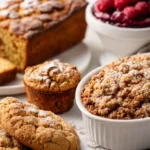
Gluten-Free Baking
Ingredients
Flours
- 2 cups Almond flour The heartbeat of gluten-free baking; creates a tender crumb.
- 1 cup Oat flour Choose certified gluten-free for stability and softness.
- 1 cup Rice flour Provides structure; must be blended with starches.
- 1/2 cup Sorghum flour Adds mild flavor and texture.
- 1/4 cup Millet flour Adds lightness and sweet notes.
Sweeteners and Fats
- 1/2 cup Coconut sugar Provides warmth and gentle sweetness.
- 1/4 cup Olive oil Keeps baked goods moist without heaviness.
Binders
- 1 teaspoon Xanthan gum Mimics gluten's structure; use sparingly.
- 2 tablespoons Ground flaxseed For vegan binding; can replace eggs.
Flavorings
- 1 teaspoon Vanilla extract Enhances the overall flavor profile.
- 1 teaspoon Cinnamon Warm spice that adds comfort.
Instructions
Preparation
- Gather all ingredients and preheat the oven to 350°F (175°C).
- In a large bowl, whisk together the almond flour, oat flour, rice flour, sorghum flour, millet flour, coconut sugar, and cinnamon.
- In a separate bowl, mix the olive oil, ground flaxseed, and vanilla extract.
- Combine the wet and dry ingredients, adding xanthan gum and mix until well incorporated.
Baking
- Scoop the batter into prepared cookie sheets or pans.
- Bake in a preheated oven for 25-30 minutes or until golden and centers are set.
- Leave to cool on a cooking rack before slicing and serving.